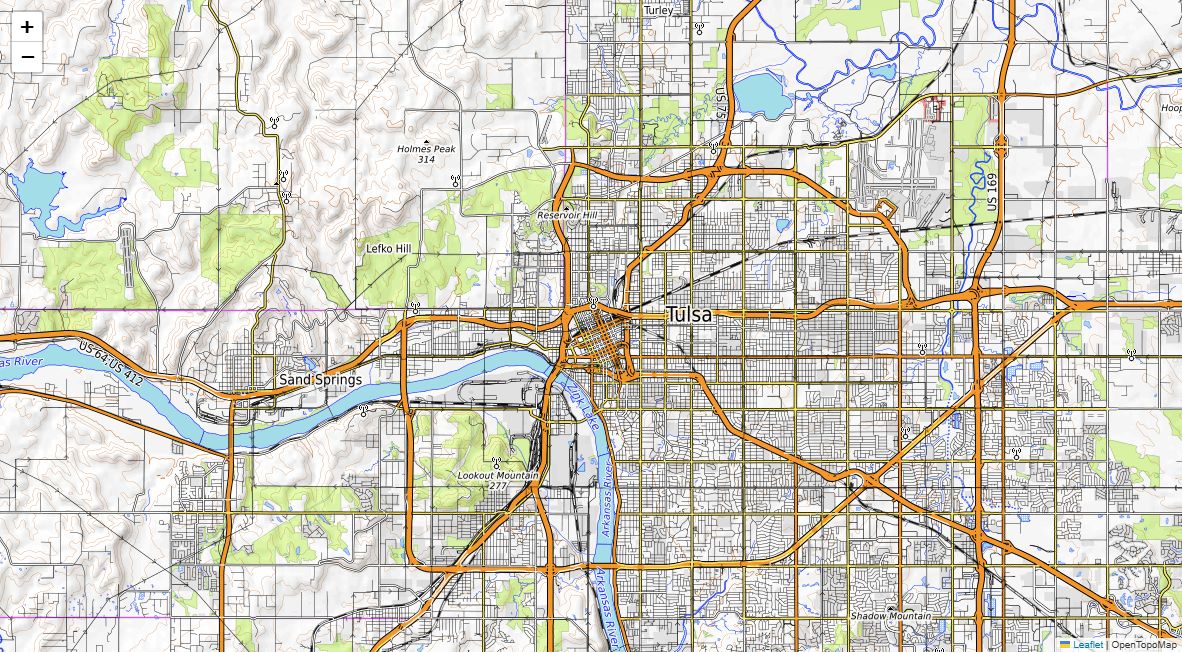
Tulsa Maps
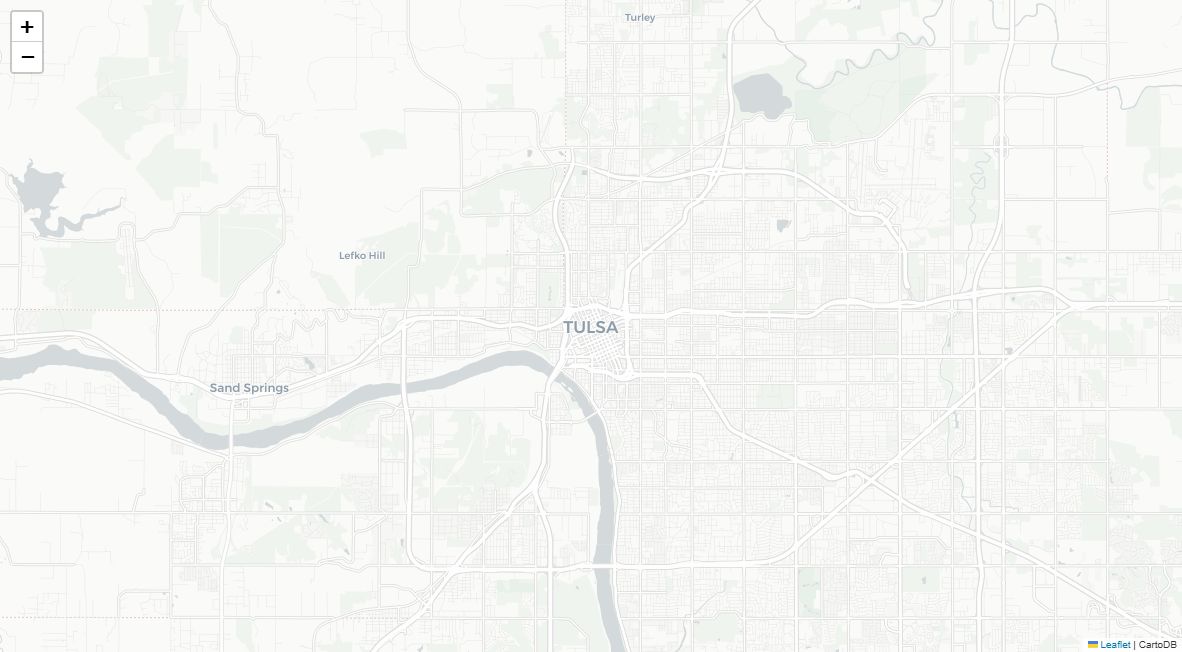
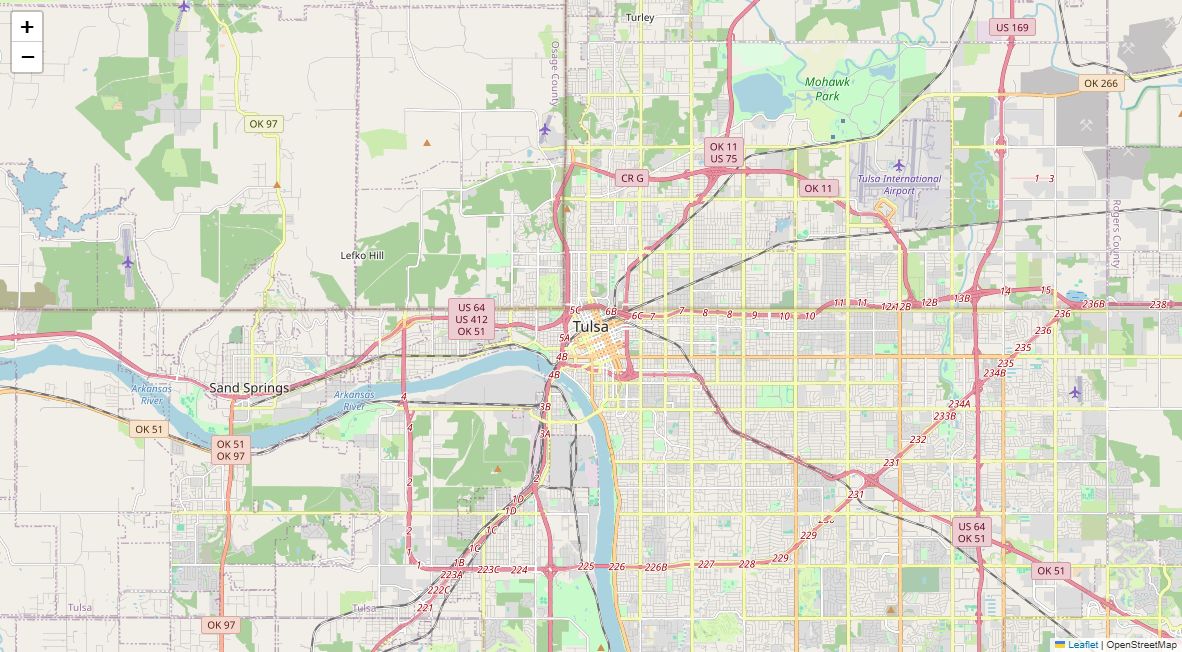
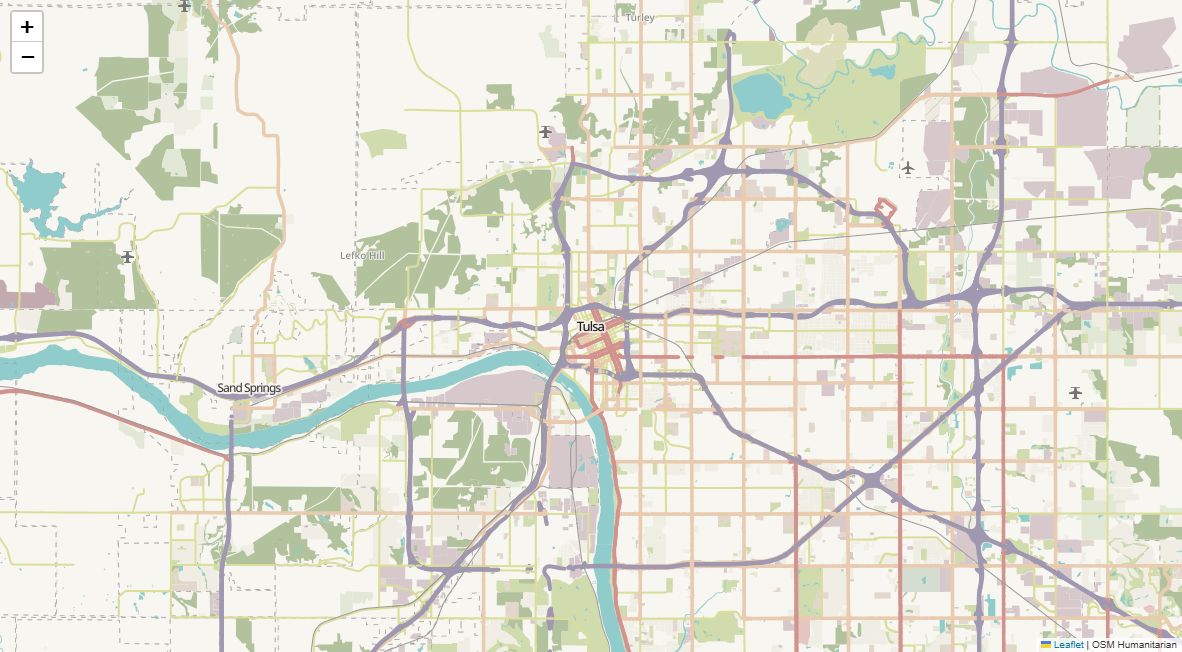
Tulsa Trails & Art Deco Maps: Your Ultimate 2026 Guide to Oklahoma's Crown Jewel
Top Art Deco Landmarks
- Boston Avenue Methodist Church
- Philcade Building
- Atlas Life Building
- Tulsa Club Hotel
- Mid-Continent Tower
Must-Visit Cultural Hubs
- The Gathering Place
- Philbrook Museum of Art
- Woody Guthrie Center
- Bob Dylan Center
- Greenwood Cultural Center
Tulsa's Culinary Delights
- Mother Road Market (Food Hall)
- Burn Co. Barbeque (BBQ)
- PRHYME: Downtown Steakhouse (Fine Dining)
- The Tavern (Modern American)
- Local craft breweries
Population Trend (In Thousands)
Lifestyle & Interest Scores
Tulsa Visa and Passport Requirements
| Passport required | Return ticket required | Visa Required | |
|---|---|---|---|
| British | Required | Required | No (ESTA) |
| Australian | Required | Required | No (ESTA) |
| Canadian | Required | No | No |
| USA | ID Required | No | No |
| EU | Required | Required | No (ESTA) |
Tulsa Health Care and Vaccinations
| Title | Special precautions |
|---|---|
| Tetanus | Recommended (Up-to-date) |
| Rabies | Generally Not Needed |
| Malaria | Generally Not Needed |
| Hepatitis A | Recommended (Consult Physician) |
| Diphtheria | Recommended (Up-to-date) |
| Yellow Fever | Generally Not Needed |
| Typhoid | Generally Not Needed |
Expert Insight
Exploring Tulsa’s Art Deco Majesty and Historic Heart
Tulsa’s skyline tells a captivating story through its magnificent collection of Art Deco architecture, rivaling even that of Miami Beach or New York City. The city’s oil boom in the early 20th century fueled an architectural renaissance, leaving behind a legacy of beautifully preserved skyscrapers and public buildings. Begin your exploration with a self-guided walking tour of downtown Tulsa, focusing on structures like the Boston Avenue Methodist Church, a National Historic Landmark famed for its intricate terracotta details. The Philcade Building, with its opulent lobby, and the revitalized Tulsa Club Hotel are essential stops. Don’t miss the Union Depot, retaining its iconic facade. Beyond Art Deco, delve into the city’s poignant past at the Greenwood Cultural Center and the John Hope Franklin Reconciliation Park. These sites offer vital insights into the vibrant Greenwood District, once known as Black Wall Street, and the tragic 1921 Tulsa Race Massacre, ensuring a crucial part of American history is remembered. The ongoing revitalization of the district continues to honor its legacy, fostering resilience.
A Feast for the Senses: Tulsa’s Culinary Evolution
Tulsa’s food scene has exploded in recent years, transforming it into an exciting destination for gourmands. From upscale dining to casual eateries and innovative food trucks, there’s something to satisfy every palate. The Blue Dome and Brady Arts Districts are epicenters of this culinary revolution. For modern American cuisine with a Southern twist, check out places like PRHYME: Downtown Steakhouse or The Tavern. For unique local flavors, visit a barbecue joint like Burn Co. Barbeque, famous for its mouth-watering smoked meats, or try ethnic delights. The Pearl District and Kendall-Whittier also boast a growing number of independent cafes and farm-to-table restaurants emphasizing fresh, locally sourced ingredients. Food halls, like Mother Road Market, have become popular destinations, offering a diverse array of vendors under one roof, perfect for sampling different cuisines. Don’t forget to explore Tulsa’s craft brewery scene; several local breweries offer tours and tasting rooms, pairing unique brews with delicious pub fare.
Embracing the Outdoors: Parks, Trails, and the Arkansas River
For those who love to connect with nature, Tulsa offers an impressive array of outdoor activities and green spaces. The crown jewel is A Gathering Place for Tulsa, a 100-acre riverfront park that has garnered national and international acclaim. It’s a world-class civic space featuring sprawling lawns, adventure playgrounds, a skate park, a lodge, numerous gardens, and performance venues, all connected by scenic trails along the Arkansas River. It’s perfect for families, couples, or solo travelers to relax, play, or simply enjoy the riverside views. Beyond A Gathering Place, the Turkey Mountain Urban Wilderness Area provides a rugged escape within city limits, with over 300 acres of wooded trails for hiking, running, and mountain biking. The River Parks system extends for miles along both banks of the Arkansas River, offering paved trails for walking, jogging, and cycling. Kayaking and paddleboarding are also popular activities. Tulsa’s commitment to green spaces ensures ample opportunities to enjoy the natural beauty of Oklahoma.
The Rhythm of the City: Music, Arts, and Entertainment
Tulsa boasts a rich musical heritage, particularly in genres like Western Swing and blues, and continues to be a vibrant center for arts and entertainment. The Cain’s Ballroom, a historic venue often dubbed the ‘Carnegie Hall of Western Swing,’ remains a legendary spot to catch live music, hosting a diverse range of national and international acts. The Tulsa Arts District is the heart of the city’s cultural scene, home to numerous galleries, music venues, and performance spaces. Here, you’ll find the Woody Guthrie Center, dedicated to the folk music legend, and the Bob Dylan Center, housing an extensive archive of the iconic singer-songwriter’s work. These centers offer deep dives into American music history. The Philbrook Museum of Art, housed in a stunning Italianate villa, features a diverse collection spanning European, American, and Native American art, surrounded by exquisite gardens. The Gilcrease Museum, undergoing significant renovations, is renowned for its comprehensive collection of American Western art and artifacts. Throughout the year, Tulsa hosts numerous festivals and cultural events, ensuring there’s always something engaging happening in the city.
Beyond the City Limits: Day Trips and Local Wonders
While Tulsa itself offers a wealth of attractions, its central location in Oklahoma makes it an excellent base for exploring the wider region. Just a short drive south, you can visit the charming town of Broken Arrow, known for its thriving downtown arts district. For authentic Native American culture and history, consider a trip to Tahlequah, the capital of the Cherokee Nation, approximately an hour’s drive east. Here, explore the Cherokee Heritage Center and learn about the tribe’s rich traditions. Nature lovers might enjoy a visit to Okmulgee Lake or Keystone Lake, both offering opportunities for fishing, boating, and camping. For a quirky and memorable experience, follow a section of Historic Route 66, which passes directly through Tulsa. You’ll encounter classic diners, vintage gas stations, and unique roadside attractions like the Blue Whale of Catoosa. These excursions provide a broader perspective of Oklahoma’s diverse landscapes and cultural heritage, enriching your Tulsa travel experience.
Maybe You Like Them Too
- The 2026 Memphis Data Vault: Maps, Statistics & Guide
- Your Ultimate 2026 Guide to Las Vegas: The Entertainment Capital of the World
- New Orleans 2026: A Rhythmic Journey Through History, Culture, and Maps
- Your Essential 2026 Travel Guide to Washington DC: Explore the Nation’s Capital
- The 2026 Baltimore Data Vault: Maps, Statistics & Guide