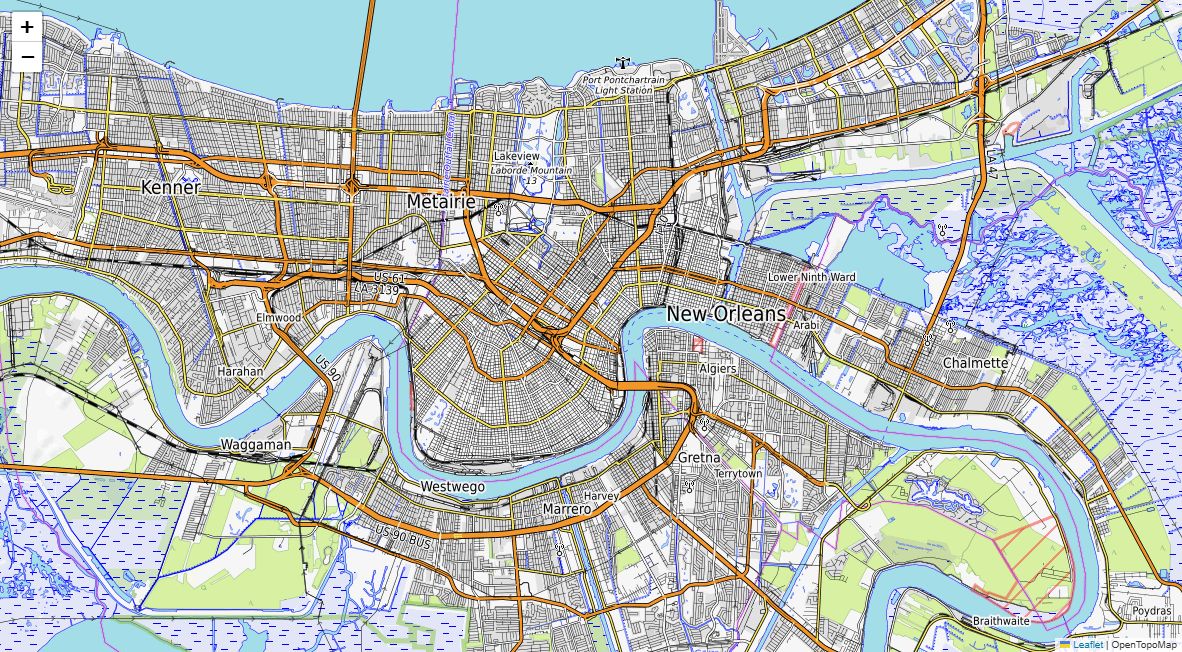
New Orleans Maps
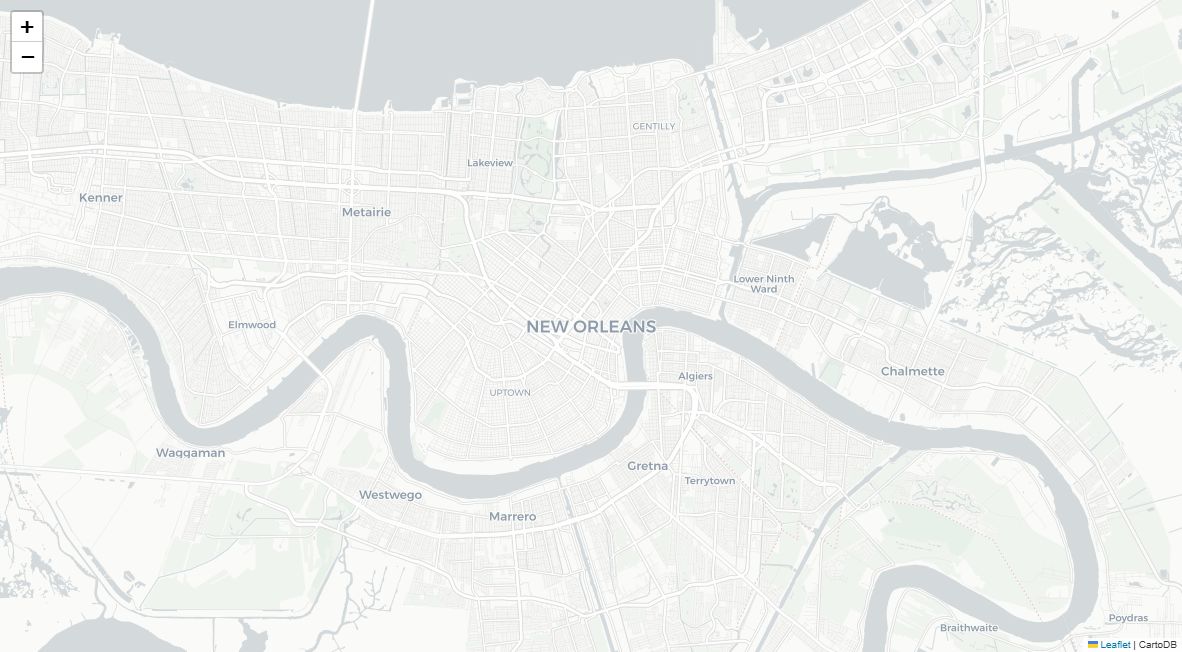
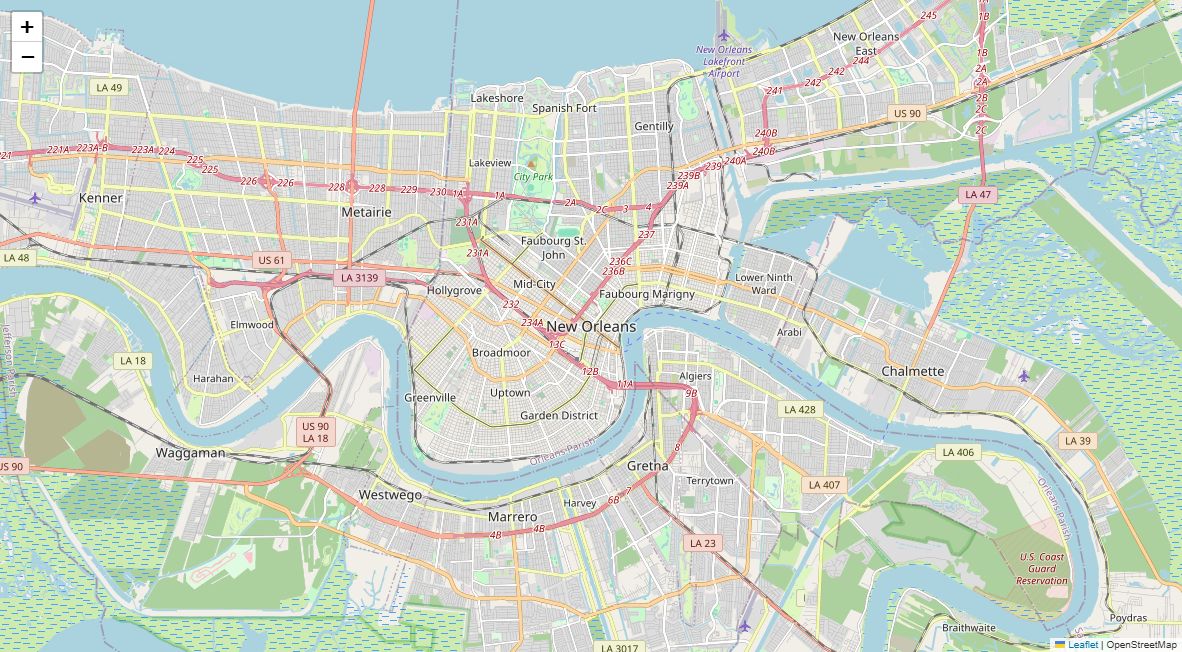
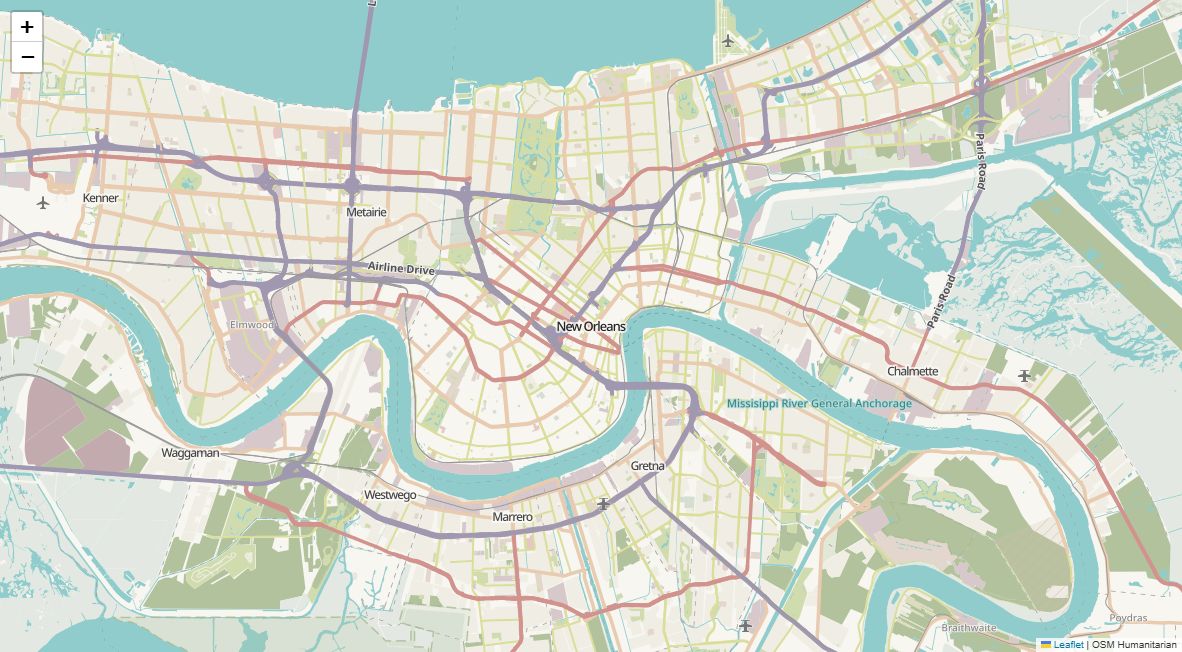
New Orleans 2026: A Rhythmic Journey Through History, Culture, and Maps
Top 5 Must-Try NOLA Foods
- Gumbo (Chicken & Sausage or Seafood)
- Jambalaya (Rice dish with meat/seafood)
- Po'boy (Iconic sandwich, 'dressed' with lettuce, tomato, pickles, mayo)
- Beignets (Pillowy fried dough, dusted with powdered sugar)
- Charbroiled Oysters (Grilled with garlic butter and cheese)
Essential NOLA Experiences
- Stroll through the French Quarter & Bourbon Street
- Catch live jazz on Frenchmen Street
- Explore the Garden District's mansions & Magazine Street
- Take a swamp and bayou tour
- Visit The National WWII Museum
Getting Around New Orleans
- Walking: Best for French Quarter & adjacent areas.
- Streetcars: Historic and scenic, connects major districts (St. Charles, Canal, Riverfront lines).
- Rideshares (Uber/Lyft): Widely available.
- Taxis: Available, especially from hotels and major attractions.
- Bicycles: Numerous rental options, dedicated bike lanes in some areas.
Population Trend (In Thousands)
Lifestyle & Interest Scores
New Orleans Visa and Passport Requirements
| Passport required | Return ticket required | Visa Required | |
|---|---|---|---|
| British | Required | Required | No (ESTA) |
| Australian | Required | Required | No (ESTA) |
| Canadian | Required | No | No |
| USA | ID Required | No | No |
| EU | Required | Required | No (ESTA) |
New Orleans Health Care and Vaccinations
| Title | Special precautions |
|---|---|
| Tetanus | Recommended (Routine) |
| Rabies | Consult Doctor (Activity Dependent, e.g., wildlife exposure) |
| Malaria | Not Recommended |
| Hepatitis A | Recommended (Routine) |
| Diphtheria | Recommended (Routine) |
| Yellow Fever | Not Recommended (Unless arriving from endemic area) |
| Typhoid | Not Recommended (Unless extended stay in rural areas or close contact with locals) |
Expert Insight
Welcome to the Resilient Crescent City: New Orleans in 2026
New Orleans in 2026 continues to pulsate with an energy that is uniquely its own. More than two decades after Hurricane Katrina, and having navigated the challenges of recent global events, the city stands as a testament to resilience, community, and the enduring power of culture. Stepping onto its historic streets, visitors are immediately enveloped by an atmosphere where the past gracefully intertwines with the present. The iconic iron-laced balconies of the French Quarter still overhang bustling sidewalks, while the soulful sounds of jazz spill from open doors and street corners. This guide invites you to delve into the heart of New Orleans, exploring its legendary culinary scene, vibrant musical heritage, storied history, and the diverse neighborhoods that make up its captivating mosaic. Whether you’re seeking spirited celebrations or quiet moments of historical reflection, NOLA in 2026 promises an experience that is as rich and complex as its gumbo. The best times to visit are generally spring (March-May) and fall (October-November), when the weather is mild, and the city’s festival calendar is in full swing. However, even in the humid summer or cooler winter, there’s always a compelling reason to explore this unforgettable destination.
A Symphony of Flavors: New Orleans’ Unrivaled Culinary Journey
The food of New Orleans isn’t just sustenance; it’s an art form, a historical narrative, and a profound expression of its multicultural heritage. In 2026, the city’s culinary landscape remains as vibrant and diverse as ever, with traditional Creole and Cajun dishes holding pride of place alongside innovative new gastronomic ventures. Begin your gastronomic adventure with a steaming bowl of Gumbo, the city’s quintessential stew, rich with roux, vegetables, and either seafood or chicken and sausage. Don’t leave without trying a hearty Jambalaya, a rice dish bursting with flavor from various meats and spices. For a quick, satisfying bite, the Po’boy reigns supreme – a crusty baguette filled with everything from fried shrimp to roast beef, traditionally ‘dressed’ with lettuce, tomato, pickles, and mayonnaise. And no visit is complete without indulging in the ethereal, powdered-sugar-dusted Beignets from Café Du Monde, a tradition dating back to 1862. Beyond these classics, explore the fine dining establishments offering sophisticated interpretations of local fare, or venture to seafood shacks for fresh oysters, shrimp boils, and crawfish during season. From white-linen restaurants in the Garden District to casual street food vendors, New Orleans ensures every meal is a memorable experience.
The Soul of the City: Music, History, and Art Alive
New Orleans is quite simply the birthplace of jazz, and its musical pulse remains the city’s lifeblood. In 2026, live music is as ubiquitous as Spanish moss, flowing freely from clubs, bars, and street corners. Frenchmen Street, just beyond the French Quarter, offers an authentic and eclectic array of live music venues where you can dance the night away to jazz, blues, funk, and brass bands. A visit to Preservation Hall for an intimate, acoustic jazz experience is a timeless pilgrimage for any music lover. Beyond the melodies, New Orleans is steeped in history. Stroll through the labyrinthine streets of the French Quarter, admiring the distinctive Creole architecture, or take a guided tour to uncover tales of pirates, Voodoo queens, and literary legends. The opulent mansions and lush gardens of the Garden District offer a glimpse into the city’s affluent past, while the solemn yet impactful National WWII Museum provides a world-class educational experience. Art thrives here too, from the galleries of Julia Street to the vibrant street art in the Marigny and Bywater neighborhoods. Every corner turned reveals a story, every note played resonates with the city’s profound artistic soul.
Festivals and Celebrations: NOLA’s Vibrant Calendar in 2026
New Orleans lives for celebration, and its festival calendar in 2026 promises to be as packed and exuberant as ever. The undisputed crown jewel is Mardi Gras, typically held in February or early March, when the city explodes in a riot of parades, costumes, and joyous revelry. While planning for Mardi Gras requires foresight – accommodation books up years in advance – experiencing even a fraction of its magic is unforgettable. Beyond the grandeur of Carnival, the city hosts a multitude of other world-renowned events. The New Orleans Jazz & Heritage Festival, usually in late April/early May, draws music legends and food vendors from across the globe for two weekends of pure bliss. The Essence Festival, typically in July, is a massive celebration of Black culture and music. Throughout the year, smaller, equally charming festivals dot the calendar, celebrating everything from oysters and po’boys to local literary figures and unique neighborhood traditions. Check the 2026 local event schedules for the French Quarter Festival, Satchmo SummerFest, and Voodoo Fest for more specific dates. Attending a New Orleans festival is not just about witnessing an event; it’s about participating in a communal outpouring of joy and cultural pride.
Beyond the Quarter: Exploring New Orleans’ Diverse Neighborhoods & Practical Tips
While the French Quarter is undoubtedly the historic heart of New Orleans, venturing beyond its charming confines reveals the true depth and diversity of the city. Take the historic St. Charles Avenue streetcar up to the elegant Garden District, where antebellum mansions and ancient oak trees create a picturesque tableau. Explore the boutiques, antique shops, and diverse eateries along Magazine Street, stretching for six miles through several neighborhoods. The Marigny and Bywater districts, east of the French Quarter, are known for their bohemian vibe, colorful cottages, and thriving arts and music scenes. For a deeper dive into African American history and culture, visit Tremé, one of the oldest Black neighborhoods in the United States, home to Congo Square and numerous historical landmarks. Getting around is part of the charm; walking is ideal for the French Quarter, and the iconic streetcars offer a scenic and affordable way to traverse longer distances. Rideshares are readily available, and taxis are easily found near major attractions. While New Orleans is generally welcoming, like any major city, it’s wise to stay aware of your surroundings, especially at night, and stick to well-lit, populated areas. Embrace the local etiquette, savor the slow pace, and let the spirit of New Orleans guide your extraordinary 2026 adventure.
Maybe You Like Them Too
- The 2026 Memphis Data Vault: Maps, Statistics & Guide
- Your Ultimate 2026 Guide to Las Vegas: The Entertainment Capital of the World
- Your Essential 2026 Travel Guide to Washington DC: Explore the Nation’s Capital
- The 2026 Baltimore Data Vault: Maps, Statistics & Guide
- Miami 2026: An Elite Traveler’s Guide & Maps to South Florida’s Future