Albuquerque Maps
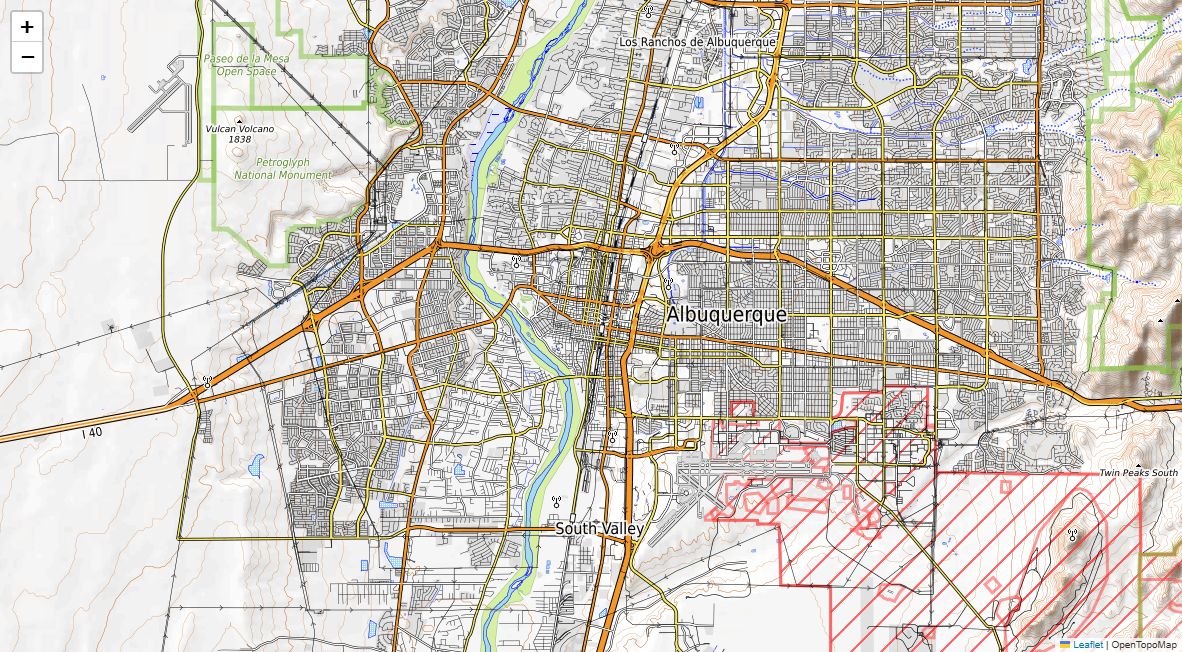
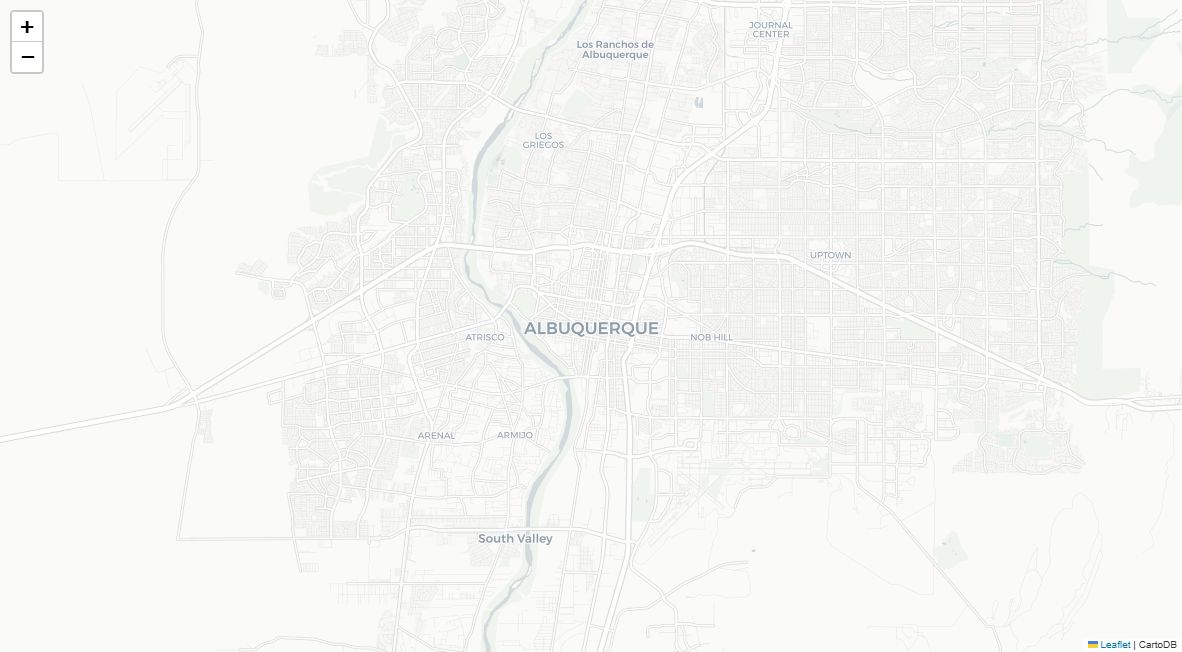
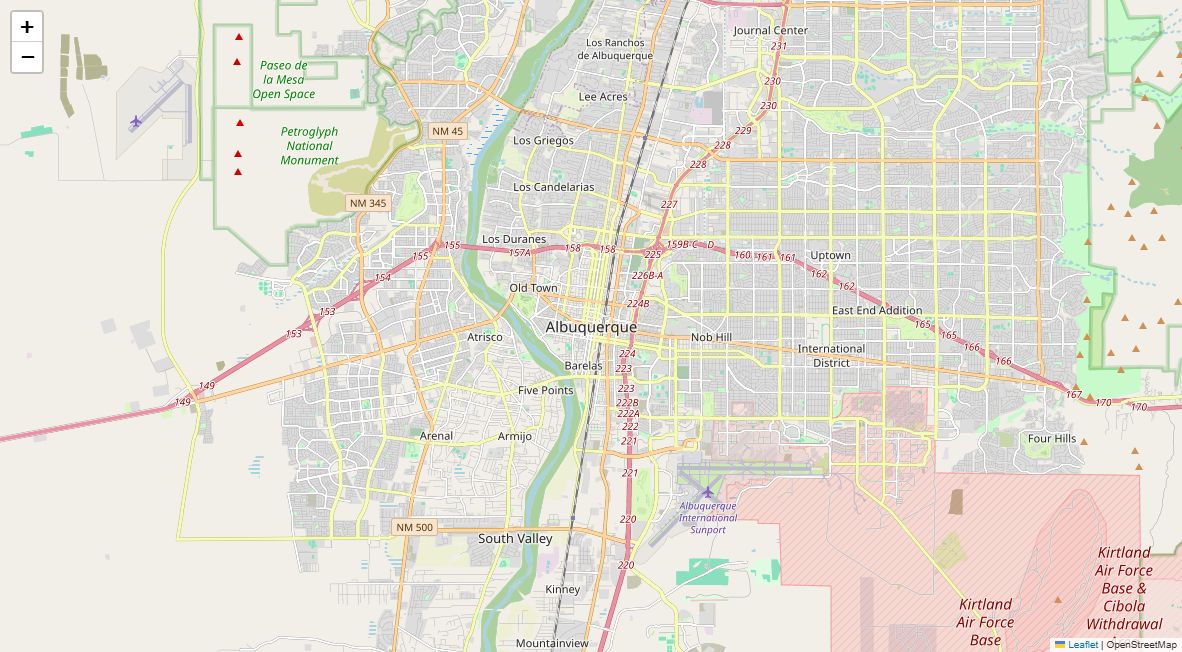
The 2026 Albuquerque Data Vault: Maps, Statistics & Guide
Must-See Landmarks
- Sandia Peak Tramway
- Old Town Albuquerque
- Albuquerque International Balloon Fiesta Park
- Petroglyph National Monument
- Indian Pueblo Cultural Center
Cuisine & Dining
- Green Chile Stew
- Breakfast Burritos (with Red or Green Chile)
- Carne Adovada
- Sopapillas with Honey
- Chile Rellenos
Smart Travel Tips
- Hydrate: Albuquerque's high desert climate is dry. Drink plenty of water.
- Sun Protection: The sun is intense; use sunscreen, hats, and sunglasses.
- Altitude Awareness: At 5,312 feet (1,619 m), take it easy upon arrival.
- Rent a Car: The city is sprawling; a car is highly recommended for exploration.
- Book Ahead: Especially in October for the Balloon Fiesta, accommodations fill quickly.
Tourist Traffic
Avg. Temp (°C)
Expert Insight
1. Sandia Peak Tramway: Ascend to Panoramic Vistas
Perched on the eastern edge of Albuquerque, the Sandia Peak Tramway continues to be an unparalleled attraction in 2026, offering an extraordinary ascent into the high desert mountains. As North America’s longest aerial tramway, it transports visitors over 2.7 miles through rugged canyons and diverse terrain, culminating at a breathtaking elevation of 10,378 feet. The journey itself, taking approximately 15 minutes, provides ever-expanding panoramic views of the Rio Grande Valley, the city sprawling below, and the majestic Sandia Mountains. Once at the summit, visitors can explore hiking trails, enjoy a meal at the acclaimed TEN 3 restaurant with its stunning vistas, or simply marvel at the expansive 11,000-square-mile view. The contrast between the desert floor and the alpine environment at the peak is truly remarkable, making it a year-round destination for both adventure seekers and those simply looking to soak in the natural beauty. Sunset rides are particularly popular, offering an unforgettable spectacle as the city lights begin to twinkle below.
2. Old Town Albuquerque: A Journey Through Time
Step into the heart of Albuquerque’s past by visiting Old Town in 2026, a charming historic district that has preserved its 18th-century Spanish colonial roots. Established in 1706, this pedestrian-friendly area is a maze of adobe buildings, quaint courtyards, and narrow streets, centered around the historic San Felipe de Neri Church. As you wander through Old Town, you’ll discover a treasure trove of over 100 shops, galleries, and restaurants, offering everything from authentic New Mexican cuisine and handcrafted jewelry to vibrant local artwork and souvenirs. The area frequently hosts cultural events, live music, and traditional dances, providing an immersive experience into the region’s diverse heritage. Beyond the commercial allure, Old Town serves as a living museum, inviting visitors to learn about Albuquerque’s foundational history and the intertwining cultures that have shaped its identity. It’s an essential stop for anyone seeking to connect with the soul of the city.
3. Albuquerque International Balloon Fiesta Park: A Sky-High Spectacle
While the iconic Albuquerque International Balloon Fiesta is an annual event each October, the Balloon Fiesta Park itself remains a significant and accessible landmark throughout 2026, symbolizing the city’s global fame as the ‘Ballooning Capital of the World.’ Even outside of the festival, the expansive park grounds serve as a testament to this unique tradition, often used for smaller ballooning events or as a recreational area. Visitors can explore the grounds, imagine the spectacle of hundreds of balloons taking flight, and visit the Balloon Fiesta Museum, located adjacent to the park. The museum provides an in-depth look into the history of ballooning, the science behind it, and the rich legacy of the Fiesta through interactive exhibits and displays. For enthusiasts and curious travelers alike, it offers a year-round glimpse into the magic that defines Albuquerque’s autumn skies, making it a must-visit for understanding this pivotal aspect of the city’s identity.
4. Petroglyph National Monument: Ancient Art in the Desert
Just west of Albuquerque, the Petroglyph National Monument continues to stand in 2026 as a profound testament to the ancient indigenous cultures of the Rio Grande Valley. This vast outdoor monument preserves one of North America’s largest petroglyph sites, featuring an estimated 25,000 carved images on volcanic rocks. Created by Native Americans and early Spanish settlers between 300 and 700 years ago, these enigmatic symbols, figures, and designs offer a powerful connection to the past, reflecting spiritual beliefs, astronomical observations, and daily life. Visitors can explore various trails, such as Boca Negra Canyon or Rinconada Canyon, to view these incredible rock carvings up close. The monument provides an opportunity for quiet contemplation and appreciation of ancient art amidst a rugged desert landscape. A visit here is not just a hike; it’s a journey through centuries of human history and creativity, offering unique insights into the profound cultural heritage of the Southwest.
5. Indian Pueblo Cultural Center: A Living Legacy
In 2026, the Indian Pueblo Cultural Center (IPCC) remains an indispensable landmark for understanding the vibrant and enduring heritage of New Mexico’s 19 Pueblos. Operated by the 19 Pueblos, the IPCC serves as a living museum, cultural institution, and gathering place dedicated to preserving and perpetuating Pueblo culture, history, and art. Visitors can explore a comprehensive museum featuring artifacts, exhibits, and artwork that tell the stories of each Pueblo. The center is also renowned for its daily cultural dances and demonstrations held in the courtyard, showcasing traditional music and attire. The gift shop offers authentic Pueblo arts and crafts, directly supporting Pueblo artisans. Furthermore, the IPCC’s Indian Pueblo Kitchen provides an exceptional dining experience, featuring contemporary Native American cuisine and traditional Pueblo dishes. This center offers a deep and respectful immersion into the indigenous cultures that form the foundational tapestry of New Mexico.
Maybe You Like Them Too
- The 2026 Memphis Data Vault: Maps, Statistics & Guide
- Your Ultimate 2026 Guide to Las Vegas: The Entertainment Capital of the World
- New Orleans 2026: A Rhythmic Journey Through History, Culture, and Maps
- Your Essential 2026 Travel Guide to Washington DC: Explore the Nation’s Capital
- The 2026 Baltimore Data Vault: Maps, Statistics & Guide