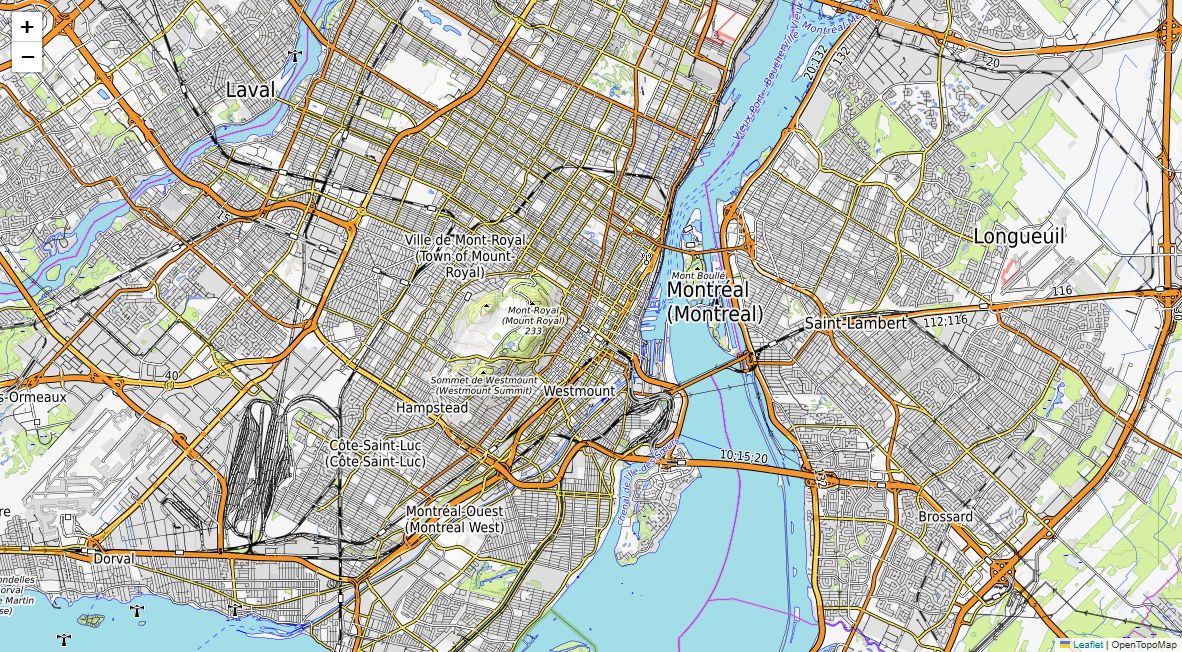
Montreal Maps
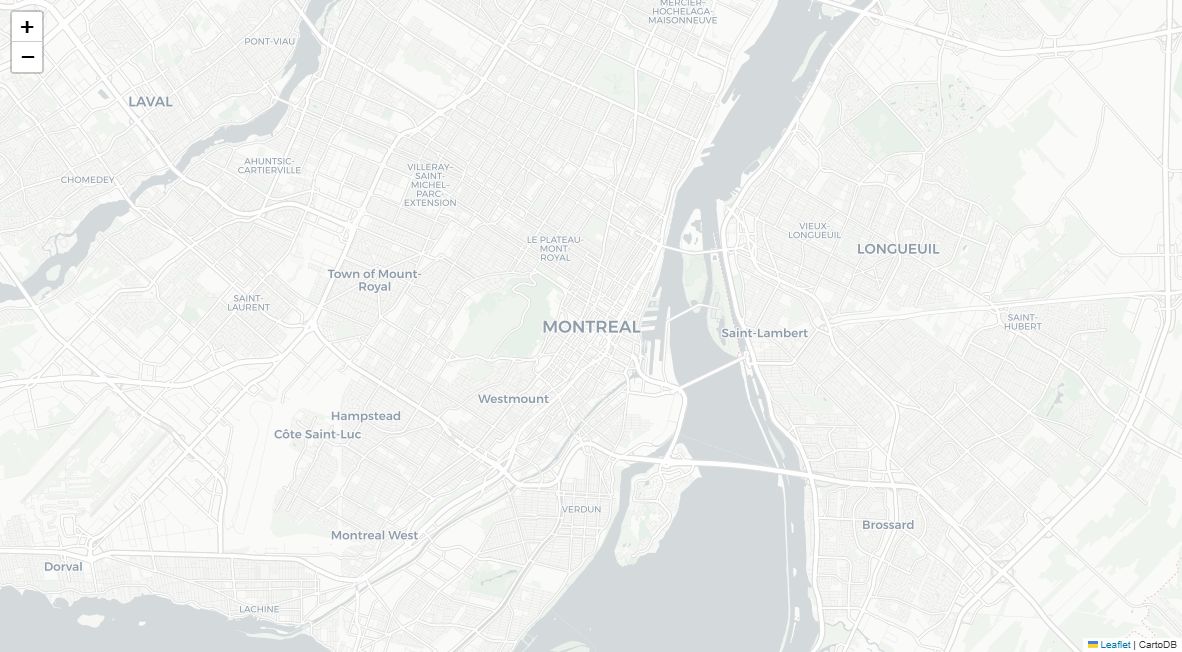
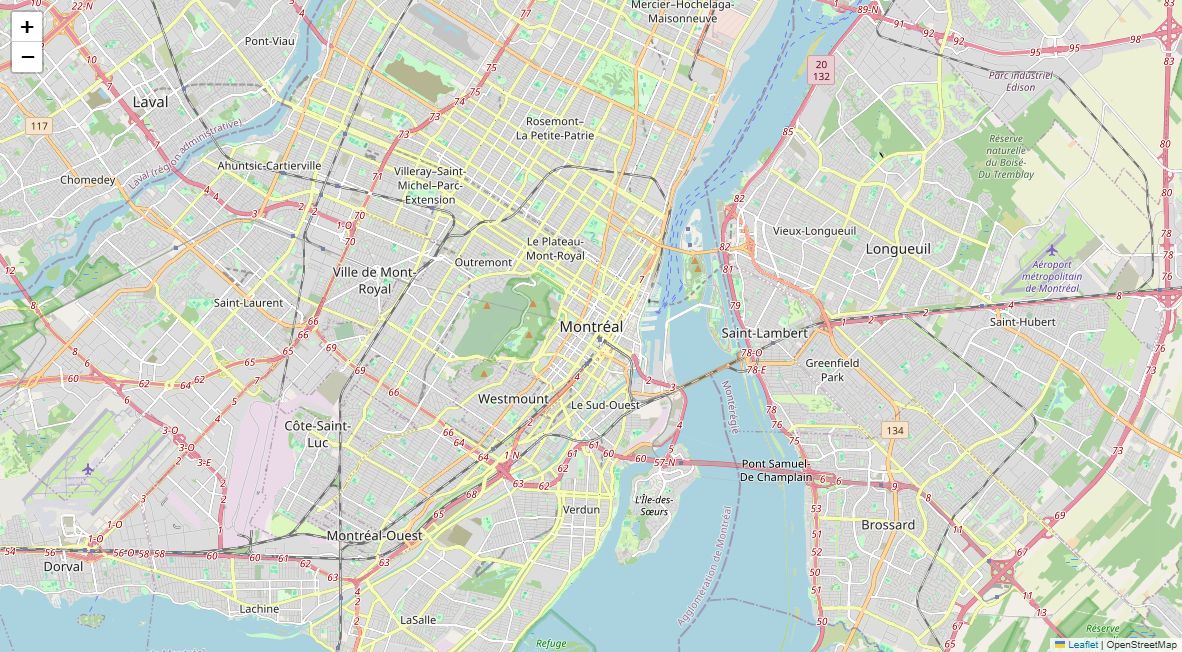
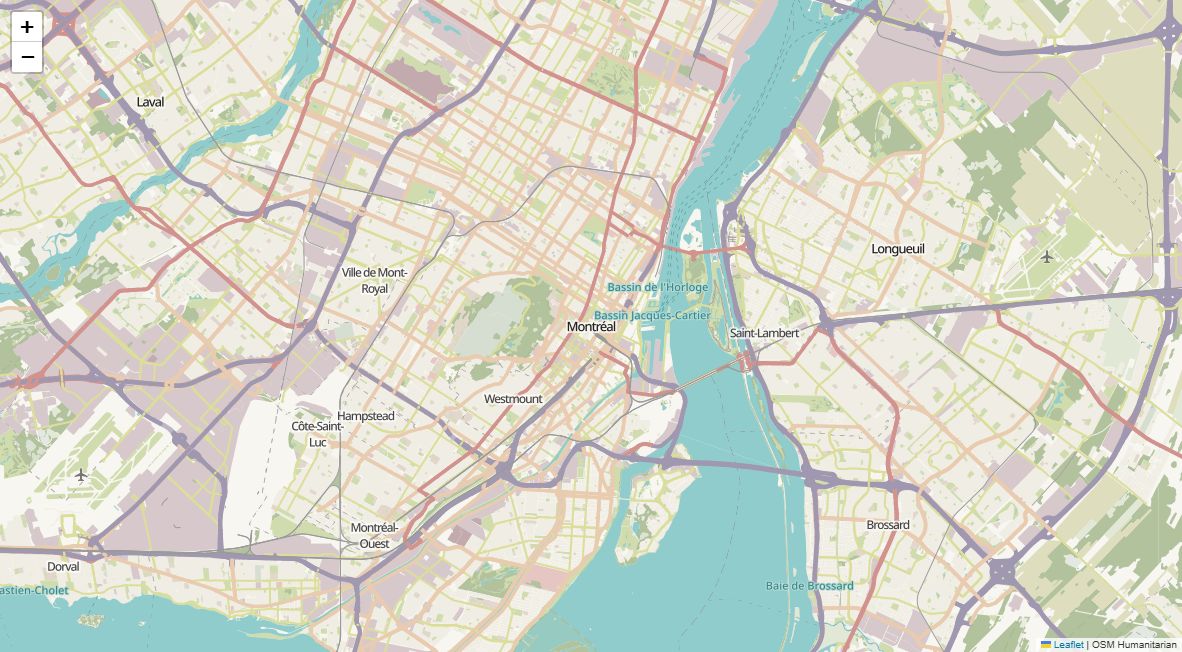
Discover Montreal 2026: Your Essential Travel Guide & Maps
Top 3 Must-See Attractions
- Notre-Dame Basilica (Vieux-Montréal)
- Mount Royal Park (for panoramic views)
- Pointe-à-Callière (Montreal Archaeology and History Complex)
Montreal's Culinary Icons
- Poutine (try gourmet versions)
- Montreal Bagels (Fairmount or St-Viateur)
- Smoked Meat Sandwich (Schwartz's Deli)
Essential Travel Tips
- Learn a few French phrases (Bonjour, Merci, S'il vous plaît)
- Utilize the efficient Metro system
- Explore the Underground City (RESO), especially in winter
Population Trend (In Thousands)
Lifestyle & Interest Scores
Montreal Visa and Passport Requirements
| Passport required | Return ticket required | Visa Required | |
|---|---|---|---|
| British | Required | Required | No (eTA required) |
| Australian | Required | Required | No (eTA required) |
| Canadian | Required | No | No |
| USA | ID Required | No | No |
| EU | Required | Required | No (eTA required) |
Montreal Health Care and Vaccinations
| Title | Special precautions |
|---|---|
| Tetanus | Recommended (routine) |
| Rabies | Consult doctor (low risk for most travelers) |
| Malaria | Not applicable (no risk in Montreal) |
| Hepatitis A | Recommended (routine) |
| Diphtheria | Recommended (routine) |
| Yellow Fever | Not applicable (unless arriving from endemic country) |
| Typhoid | Consult doctor (low risk for most travelers) |
Expert Insight
Old-World Charm, Modern Heart: Why Montreal Captivates
Montreal stands as a captivating enigma, a major French-speaking metropolis flourishing in the heart of North America. Its allure lies in an exceptional duality: the preserved elegance of its European heritage seamlessly integrated with the progressive energy of a modern, innovative city. From the moment you step onto its shores, you’re enveloped in a rich tapestry of history, evident in the intricate architecture and venerable stone pathways of Vieux-Montréal (Old Montreal), which evoke images of Parisian boulevards. This historical backdrop beautifully contrasts with the sleek skyscrapers of its bustling downtown core and the artistic vibrancy of its numerous diverse neighborhoods. Montreal isn’t just a city; it’s a living museum and a canvas for contemporary expression, constantly reinventing itself while honoring its roots. Its bilingual nature, a harmonious blend of French and English, adds another layer to its unique cultural identity, making it accessible and intriguing for visitors from all corners of the globe. Known globally as a ‘City of Festivals,’ Montreal’s calendar is perpetually alive with celebrations of jazz, comedy, film, and more, offering year-round entertainment. For the discerning traveler in 2026, Montreal promises more than just a destination; it offers an immersive experience where history, culture, gastronomy, and contemporary urban life converge into an unforgettable adventure.
A Tapestry of Culture and History: Exploring Montreal’s Heritage
To truly grasp Montreal’s soul, one must delve into its rich cultural and historical landscape. The jewel in its crown is undoubtedly **Old Montreal (Vieux-Montréal)**, a district where time seems to slow down. Here, cobblestone streets wind past centuries-old buildings, leading to iconic landmarks such as the majestic Notre-Dame Basilica, an architectural marvel boasting stunning Gothic Revival design and an awe-inspiring interior. Place Jacques-Cartier, a bustling public square, is perfect for people-watching, street performances, and enjoying a café au lait. Don’t miss the historic Bonsecours Market, a grand domed structure that once served as a public market and now houses boutiques and art galleries. Exploring this district on foot or via a charming horse-drawn carriage offers an unparalleled journey back in time. Beyond Old Montreal, the city’s history unfolds in its world-class museums. The Pointe-à-Callière, Montreal Archaeology and History Complex, stands on the very birthplace of the city, offering a fascinating underground journey through its past. The Montreal Museum of Fine Arts (MMFA) showcases an extensive collection spanning centuries and continents, while the McCord Stewart Museum delves into the social history of Montreal, celebrating its diverse communities. Further north, the **Plateau Mont-Royal** neighborhood showcases a different facet of Montreal’s culture with its distinctive wrought-iron staircases, vibrant murals, and a bohemian artistic vibe, dotted with independent boutiques and charming cafes. Throughout the year, Montreal reinforces its status as a premier cultural hub by hosting acclaimed international events like the Montreal International Jazz Festival, Just for Laughs Comedy Festival, and the Osheaga Music and Arts Festival, cementing its reputation as a city that continually celebrates creativity and performance.
Gastronomic Delights: A Culinary Journey Through Montreal
Montreal’s culinary scene is as diverse and exciting as its culture, offering a gastronomic adventure that caters to every palate and preference. No visit to Montreal is complete without indulging in its beloved **iconic foods**. First and foremost is **poutine**, Quebec’s quintessential dish of French fries, cheese curds, and gravy. While traditional poutine is a must-try, Montreal’s chefs have elevated it to an art form, with gourmet versions featuring foie gras, smoked meat, or unique sauces found in eateries like La Banquise or Au Pied de Cochon. Next, savor the unique chew and slightly sweet flavor of **Montreal-style bagels**, hand-rolled, boiled in honey water, and baked in wood-fired ovens. Fairmount Bagel and St-Viateur Bagel are legendary institutions where you can watch them being made fresh. And of course, the legendary **smoked meat sandwich** at Schwartz’s Deli is a rite of passage, a towering pile of cured, smoked, and spiced brisket on rye bread. Beyond these staples, Montreal boasts an incredibly **diverse cuisine**, from sophisticated French fine dining to vibrant Italian trattorias, authentic Portuguese chicken, a rich array of Asian flavors, and delicious Middle Eastern fare. The city’s commitment to fresh, local produce is evident in its bustling **public markets**. Jean-Talon Market and Atwater Market are sensory delights, brimming with local fruits, vegetables, cheeses, artisanal products, and a lively atmosphere perfect for a leisurely stroll and a picnic supply run. Montreal’s European influence is also palpable in its flourishing **café culture**, with countless charming establishments serving up exquisite coffee and delectable pastries. Looking ahead to 2026, Montreal continues to embrace **emerging food trends**, with a growing emphasis on plant-based dining, sustainable farm-to-table practices, innovative microbreweries crafting unique local beers, and experimental culinary experiences that push the boundaries of flavor. Each neighborhood, from the trendy Mile End to the historic Old Port, offers its own distinct culinary identity, ensuring a never-ending exploration for food lovers.
The Pulse of the City: Arts, Entertainment, and Nightlife
As the sun sets, Montreal truly comes alive, transforming into a vibrant hub of arts, entertainment, and a legendary nightlife scene that rivals any major global city. The city boasts a thriving **performing arts scene**, from world-class opera and ballet at Place des Arts to avant-garde theatre productions. Live music pulses through countless venues, from intimate jazz clubs echoing the sounds of legends to indie rock stages showcasing emerging talent, and grand arenas hosting international superstars. **Rue Sainte-Catherine** forms the backbone of the **Quartier des Spectacles**, Montreal’s dedicated entertainment district. This pedestrian-friendly area is home to major concert halls, theaters, and is the primary stage for many of the city’s renowned festivals, where outdoor performances and interactive art installations light up the streets. Montreal’s **nightlife** is incredibly diverse, catering to every taste. You can sip sophisticated cocktails in chic downtown lounges, dance until dawn in energetic clubs, or discover hidden speakeasies tucked away in historic buildings. Neighborhoods like the Plateau Mont-Royal and Mile End offer a more laid-back, bohemian vibe with cozy pubs and live music haunts, while the colorful Gay Village is celebrated for its lively bars and welcoming atmosphere. A truly unique aspect of Montreal’s urban landscape, particularly enjoyable during the colder months, is the **Underground City (RESO)**. This extensive network of pedestrian tunnels connects shopping malls, metro stations, museums, and entertainment venues, offering a climate-controlled environment to explore, shop, dine, and even catch a movie. For sports enthusiasts, Montreal is home to passionate fans and exciting teams, including the iconic Canadiens (NHL hockey), the Alouettes (CFL football), and CF Montréal (MLS soccer), providing thrilling spectator experiences year-round. Montreal’s dynamic energy ensures that whether you’re seeking high culture, a lively party, or simply a relaxed evening out, the city delivers an unforgettable experience long after dark.
Navigating Montreal in 2026: Practicalities and Future Forward
Navigating Montreal in 2026 is an experience designed for ease and exploration. The city boasts an exceptionally **efficient public transportation system**, centered around its clean and reliable Metro. With four lines covering most major attractions and neighborhoods, the Metro is the quickest way to get around. Coupled with an extensive bus network, it makes exploring seamless; consider purchasing a multi-day pass for convenience. Montreal is also a highly **walkable city**, especially its downtown core and historic districts, encouraging leisurely strolls. For those who enjoy cycling, the BIXI bike-sharing program is widespread and popular during warmer months. When it comes to **language**, Montreal is officially French-speaking, but its bilingual nature means English is widely understood and spoken, particularly in tourist areas, hotels, and restaurants. While you’ll manage perfectly well with English, learning a few basic French phrases (like ‘Bonjour,’ ‘Merci,’ ‘S’il vous plaît’) is always appreciated and can enhance your interactions. **Accommodation** options are plentiful and diverse, ranging from luxurious international hotel chains to charming boutique hotels in Old Montreal, stylish stays in the Plateau, and budget-friendly hostels. Booking in advance, especially during peak festival season, is highly recommended. Deciding on the **best time to visit** depends on your preferences: summer (June-August) for its vibrant festival scene and outdoor activities, autumn (September-October) for stunning fall foliage and comfortable temperatures, winter (November-March) for festive charm, ice skating, and proximity to skiing, and spring (April-May) for the city’s reawakening and maple syrup season. Montreal is generally a **very safe city**, with a low crime rate, making it comfortable for solo travelers and families alike. The city is also working towards greater **accessibility**, though some older areas with cobblestones or historic buildings might present minor challenges. Looking to **2026 and beyond**, Montreal is committed to sustainable tourism, smart city initiatives, and expanding its green spaces. Expect to see continued integration of technology to enhance visitor experiences, evolving culinary landscapes, and a renewed focus on community-driven cultural events, ensuring Montreal remains a dynamic and welcoming destination for years to come. Embrace the joie de vivre and discover all that this incredible Canadian metropolis has to offer.
Maybe You Like Them Too
- The 2026 Memphis Data Vault: Maps, Statistics & Guide
- Your Ultimate 2026 Guide to Las Vegas: The Entertainment Capital of the World
- New Orleans 2026: A Rhythmic Journey Through History, Culture, and Maps
- Your Essential 2026 Travel Guide to Washington DC: Explore the Nation’s Capital
- The 2026 Baltimore Data Vault: Maps, Statistics & Guide