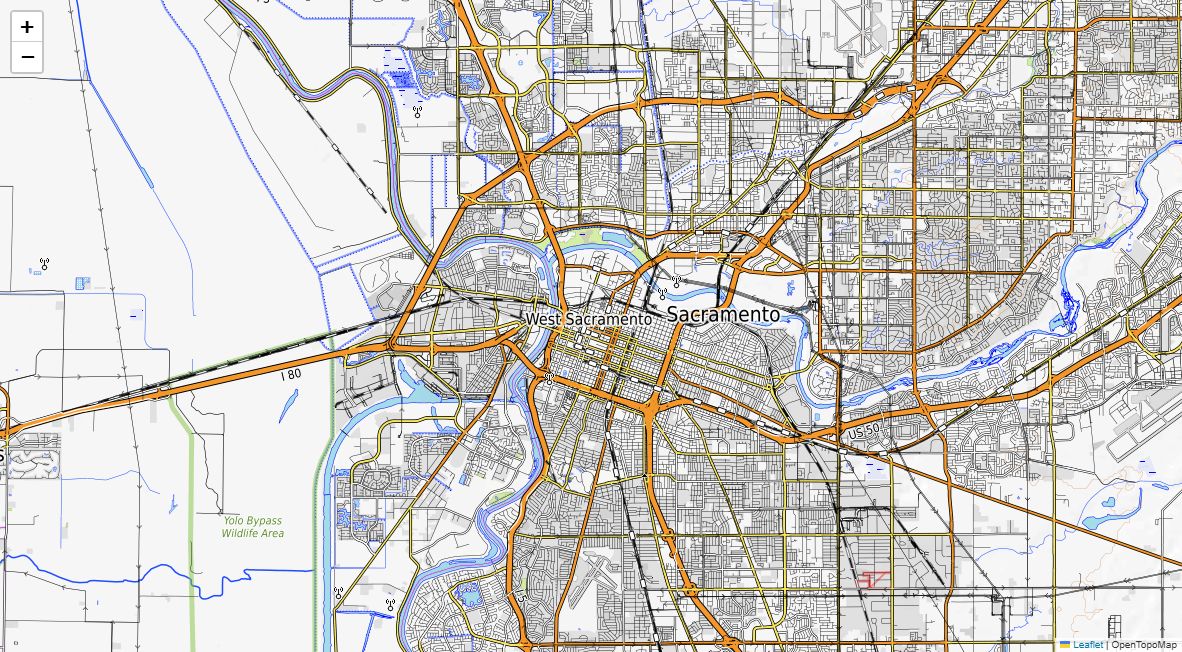
Sacramento Maps
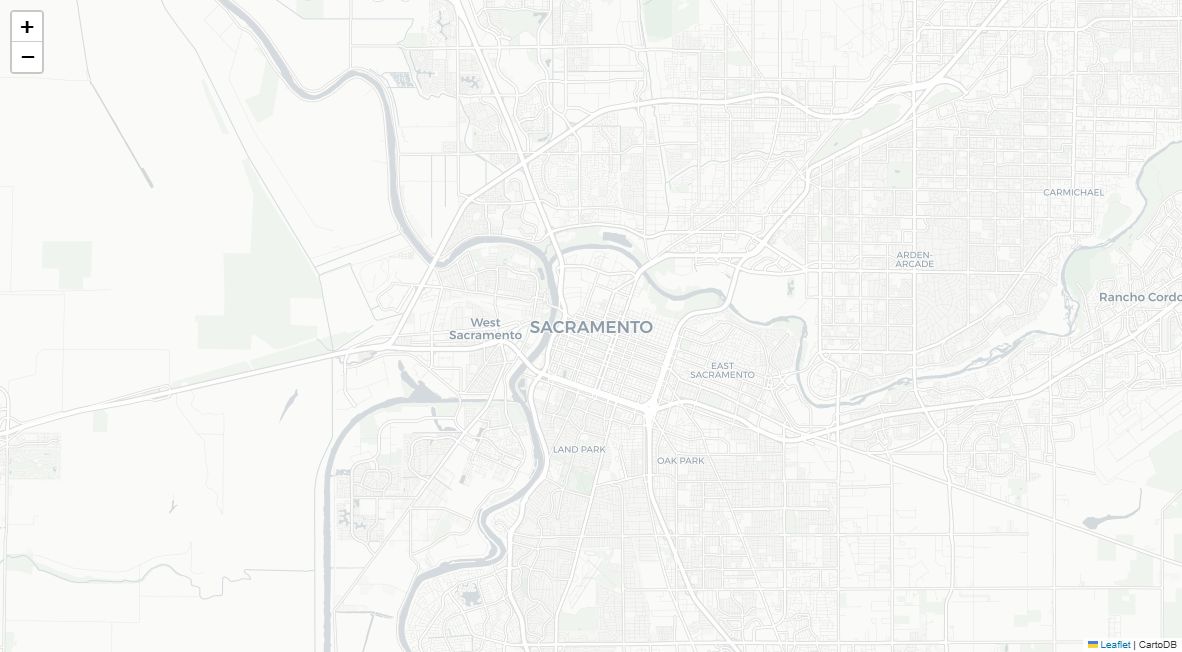
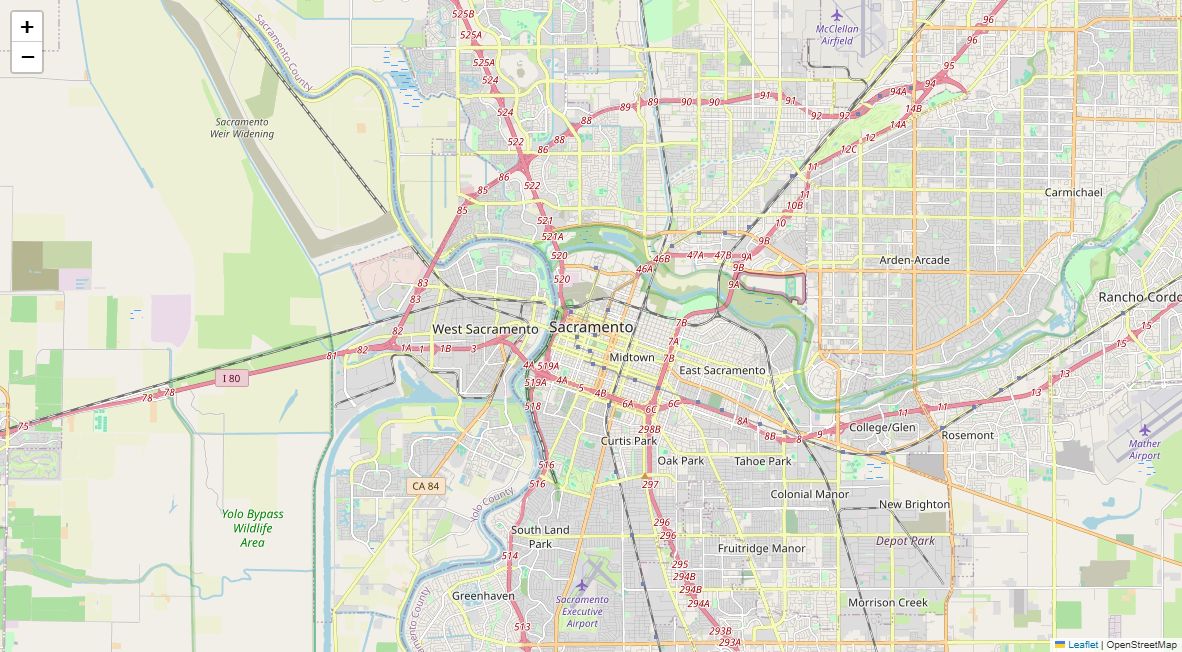
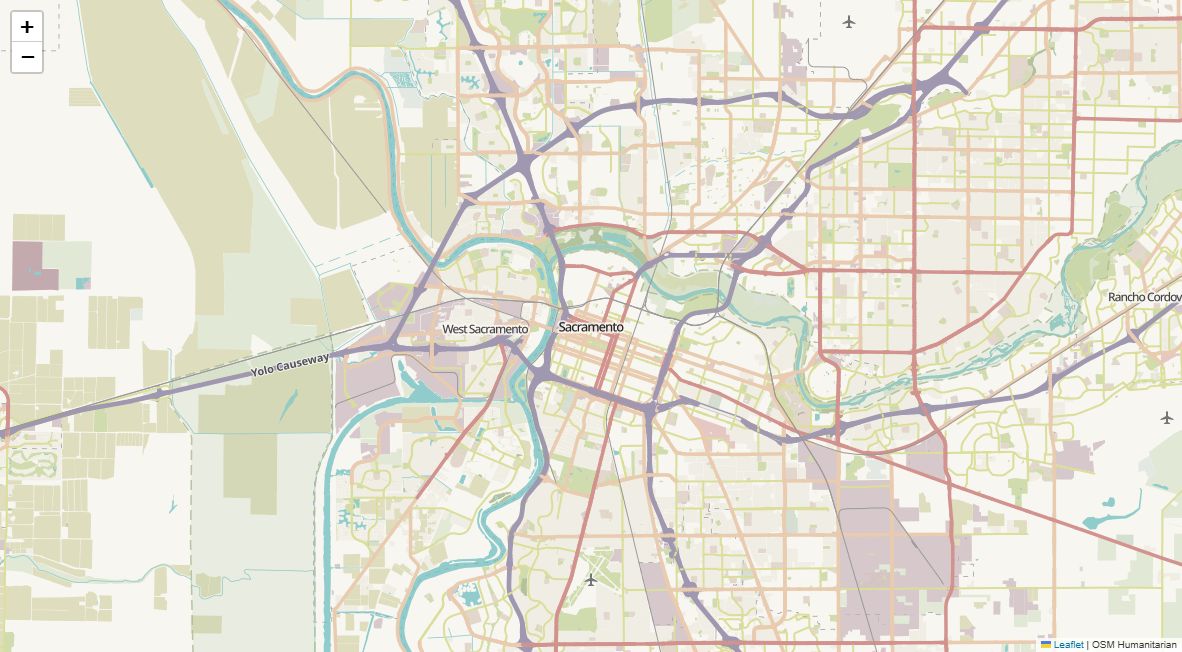
The 2026 Sacramento Data Vault: Maps, Statistics & Guide
Must-See Landmarks
- Old Sacramento State Historic Park
- California State Capitol Museum
- Crocker Art Museum
- Tower Bridge
- Sutter's Fort State Historic Park
Cuisine & Dining
- Farm-to-Fork Restaurants (America's Capital)
- Craft Breweries & Distilleries
- Global Cuisine (e.g., Little Saigon)
- Historic Old Sacramento Dining
- Food Trucks & Street Food Fairs
Smart Travel Tips
- Visit in Spring/Fall for Best Weather
- Utilize Light Rail & Ride-Shares
- Stay Hydrated, Especially in Summer
- Book Accommodations in Advance
- Explore Midtown & R Street Corridor
Tourist Traffic
Avg. Temp (°C)
Expert Insight
Old Sacramento State Historic Park
Stepping into Old Sacramento State Historic Park in 2026 is akin to time-traveling back to the bustling Gold Rush era. This meticulously preserved district along the Sacramento Riverfront offers a tangible connection to California’s foundational history. Wander along cobblestone streets, past charming brick buildings that once housed saloons, general stores, and hotels catering to prospectors and pioneers. Visitors can explore a variety of specialty shops, indulge in historic-themed dining, or embark on a leisurely horse-drawn carriage ride. The area is also home to several key museums, most notably the California State Railroad Museum, which provides an immersive look into the pivotal role of railways in the state’s development. Beyond the historical allure, Old Sacramento hosts numerous events throughout the year, ensuring a lively atmosphere that perfectly blends education with entertainment. Its proximity to the Sacramento River also offers opportunities for scenic riverboat cruises, providing unique perspectives of the city and its iconic Tower Bridge.
California State Capitol Museum
The California State Capitol Museum stands as a testament to the state’s political heritage and architectural grandeur. In 2026, this neoclassical masterpiece continues to serve as both a working seat of government and a captivating museum. Visitors can marvel at the dome’s intricate design, explore historic offices restored to their 1890s appearance, and observe legislative sessions in action when the Assembly and Senate are in session. Free guided tours provide insightful narratives on California’s history, government, and the building’s exquisite artwork and architecture. Surrounding the Capitol building is the sprawling Capitol Park, a beautifully manicured 40-acre garden featuring diverse tree species from around the world, numerous memorials, and vibrant rose gardens. It offers a tranquil escape within the urban core, perfect for a leisurely stroll or a quiet picnic. The Capitol’s accessibility and its blend of historical education and active government make it an essential stop for anyone seeking to understand the heart of California’s governance and past.
Crocker Art Museum
As the oldest art museum west of the Mississippi River, the Crocker Art Museum offers an extraordinary journey through art history, beautifully housed in an elegant historic mansion connected to a striking modern wing. By 2026, the Crocker continues its legacy of curating a diverse and exceptional collection. Its permanent holdings include an outstanding array of Californian art, spanning from the Gold Rush era to contemporary pieces, providing a unique regional perspective. Internationally, the museum boasts an impressive collection of European master drawings, as well as significant holdings of international ceramics, photography, and contemporary art. The architectural juxtaposition of the original Victorian-era Crocker family mansion with its expansive, light-filled contemporary addition creates a captivating environment for art appreciation. Engaging exhibitions, educational programs, and community events ensure that the Crocker remains a dynamic cultural hub, offering profound insights into artistic expression and a serene space for contemplation for all ages.
Tower Bridge
Sacramento’s iconic Tower Bridge, a gleaming golden sentinel spanning the Sacramento River, remains one of the city’s most recognizable and photographed landmarks in 2026. This vertical-lift bridge, completed in 1935, connects downtown Sacramento with West Sacramento and is a marvel of Art Deco design. Its distinctive golden hue, which shifts subtly with the changing light, makes it a captivating sight at any time of day, particularly during sunrise or sunset. More than just a functional crossing for vehicles, pedestrians, and cyclists, the Tower Bridge symbolizes the connection between Sacramento’s historical core and its modern developments. It provides stunning panoramic views of the Old Sacramento waterfront, the State Capitol dome, and the river itself, making it a prime location for photography and scenic walks. Its operational lifts, while less frequent now, are still a spectacle, allowing large vessels to pass underneath, further emphasizing its engineering prowess and enduring significance to the region’s infrastructure and identity.
Sutter’s Fort State Historic Park
Sutter’s Fort State Historic Park in 2026 continues to offer a fascinating glimpse into California’s pre-Gold Rush era, preserving the earliest European settlement in the Sacramento Valley. Originally established in 1839 by Swiss immigrant John Sutter, the fort served as an agricultural and trade colony, a crucial stop for pioneers, and a central point for the burgeoning California Republic before the gold discovery transformed the region. The fort’s adobe walls and reconstructed buildings vividly recreate life on the frontier, with living history demonstrations providing an immersive educational experience. Visitors can explore the blacksmith shop, bakery, living quarters, and various workshops, gaining insights into the daily routines and challenges faced by settlers. The fort’s significance as a hub for early American expansion and its direct link to the momentous events preceding the Gold Rush make it an indispensable site for understanding California’s origins. It’s a compelling destination for history enthusiasts and families alike, offering a rich narrative of resourcefulness and ambition.
Maybe You Like Them Too
- The 2026 Memphis Data Vault: Maps, Statistics & Guide
- Your Ultimate 2026 Guide to Las Vegas: The Entertainment Capital of the World
- New Orleans 2026: A Rhythmic Journey Through History, Culture, and Maps
- Your Essential 2026 Travel Guide to Washington DC: Explore the Nation’s Capital
- The 2026 Baltimore Data Vault: Maps, Statistics & Guide